




A dark tooth can change how your smile looks, especially when it sits near the front. Many people ask whether root canal teeth whitening can brighten a tooth that no longer responds to normal whitening. The short answer is yes, in many cases it can. A root canal often saves the tooth, but internal changes may lead to discoloration. Today, dentists explain why this happens, what whitening options work, and when to seek treatment for the best results.
Why Does a Root Canal Tooth Turn Dark?
A discolored tooth after root canal treatment usually develops due to changes inside the tooth. When the pulp becomes infected or damaged, it often releases pigments that seep into the dentin layer. Even after the infection is cleaned out, some of these pigments remain. This deep internal staining sits beneath the enamel, which means normal at-home whitening cannot reach the area.
Discoloration also occurs when remnants of old filling materials or leftover pulp tissue settle inside the tooth chamber. These materials create a shadow that darkens the tooth’s appearance over time. Every case looks slightly different. Some teeth darken only a little, while others shift toward a gray or brown shade that draws unwanted attention.
Can Root Canal Teeth Whitening Restore My Natural Tooth Shade?
Many patients want to know whether root canal teeth whitening can bring back a natural, even smile. Whitening is possible, but the approach differs from external whitening. A root canal tooth often has stains that sit inside the dentin, not just on the surface. Because of this, external whitening gels offer limited improvement.
Dentists use specialized techniques to reach the inner staining and lift the deeper pigments. Some teeth respond well within one or two visits, while others need more time. The final shade depends on the original color, how long the tooth has been dark, and the condition of the surrounding teeth. Most patients see a noticeable improvement, even if the tooth does not become perfectly identical to its neighbors.
Whitening Root Canal Treated Tooth: What Options Work?
A whitening root canal treated tooth strategy depends on the stain depth and the tooth’s structure. External whitening can brighten the surrounding teeth, which sometimes helps create a more balanced look. However, when the stain sits deep inside the tooth chamber, external whitening alone will not fix the discoloration.
Internal whitening is usually the most effective approach. This method places a whitening material directly into the tooth’s inner chamber, allowing it to reach the source of the stain. Patients who do not qualify for internal whitening can explore bonding or veneers as alternatives. Your dentist evaluates the condition of the tooth and suggests options based on your goals, shade expectations, and long-term oral health.
Internal Whitening After Root Canal: The Proven Method
Many dentists use internal whitening after root canal treatment to lift internal stains safely and predictably. The procedure is straightforward. First, the dentist opens the tooth slightly and places a whitening agent inside. The material stays in the chamber for several days. During follow-up visits, the dentist evaluates the shade change and adjusts the treatment as needed.
This method is sometimes called internal tooth bleaching, and it targets pigmentation that ordinary whitening cannot reach. The process is gentle, does not disturb the root canal seal, and allows precise control over color change. Some teeth respond after one session. Others require two or three rounds to reach the desired shade. Your dentist will monitor the tooth carefully to protect its structure and maintain the integrity of the previous root canal work.
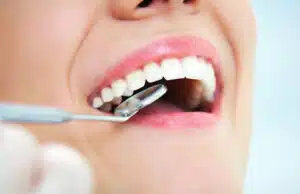
Tooth Whitening After Root Canal: How the Process Works
Patients often consider tooth whitening after root canal treatment when a previously healthy-looking tooth darkens months or even years later. Dentists begin by checking the tooth for reinfection or new structural changes. If the tooth is stable, whitening can proceed.
Most people can whiten a few weeks after the final root canal appointment, once healing is complete and the tooth is sealed. Dentists may wait longer if the surrounding tissues need more time. If discoloration appears long after the root canal, whitening can be done at any point, as long as the tooth remains healthy.
Patients in Bonney Lake often ask for guidance, and Dr. Navdeep Virk helps them understand which method will deliver the safest and most natural result. The goal is always to brighten the tooth while keeping the root canal stable and well protected.
Whitening Root Canal: When It’s Enough and When It Isn’t
A whitening root canal approach works well for many patients, but it does not solve every case. Some teeth darken due to structural thinning or long-term changes in dentin. In these situations, whitening alone may not fully match the tooth to the surrounding teeth.
Dentists may suggest cosmetic dentistry for root canal tooth cases where discoloration is too deep or resistant. Bonding can mask mild color differences with tooth-colored resin. For more noticeable discoloration, a veneer provides a long-lasting improvement. In rare situations, a crown may offer the best long-term match, especially when the tooth also needs added strength.
Can You Use Whitening Strips After Root Canal?
Patients often ask, can you use whitening strips after root canal procedures? Whitening strips are safe for the surrounding teeth, but they do not help the darkened root canal tooth. Strips work only on surface enamel. They cannot reach stains inside the dentin or inner chamber.
Some people use strips to brighten the neighboring teeth, which can make the darker tooth less noticeable. However, this approach does not correct the root cause of the discoloration. For meaningful shade improvement, internal whitening remains the recommended choice.
How Do You Fix Discolored Teeth After a Root Canal?
Dentists begin with internal whitening, which reaches the internal pigments directly. If the stain lifts successfully, the tooth usually blends with the rest of the smile.
When whitening cannot achieve the desired look, other solutions help restore color:
- Bonding applies tooth-colored resin to mask discoloration.
- Veneers cover the front surface with a custom porcelain shell.
- Crowns restore both color and strength when the tooth needs structural support.
Some patients also benefit from full smile treatments when multiple teeth require correction. Your treatment plan will match your goals and the level of discoloration present.
Brighten Dark Tooth Post-Root-Canal: Long-Term Options
Some patients look for ways to brighten dark tooth post-root-canal treatment when the discoloration becomes more noticeable over time. Maintenance habits help preserve results, such as limiting dark drinks, practicing strong daily hygiene, and attending regular dental visits.
Prices vary by region and by the amount of whitening needed. On average, internal whitening costs more than standard external whitening because it requires a specialized technique. Many people invest in this treatment to improve a single dark tooth rather than choosing cosmetic work for multiple teeth. Your dentist explains expected costs during the evaluation, based on how many sessions may be required.
Bonding, veneers, or crowns serve as long-term options if whitening does not create the desired shade. These solutions offer color stability and blend well with nearby teeth when crafted by an experienced cosmetic dentist.

When to See a Dentist About Root Canal Teeth Whitening
It is helpful to schedule a visit when you notice sudden darkening or uneven changes in shade because these shifts may signal internal staining or issues with the prior treatment. Early attention protects the tooth and creates better whitening outcomes. Many patients seek guidance when considering root canal teeth whitening, especially if the tooth has been dark for years or the surrounding teeth have changed color.
People in Bonney Lake, WA, often benefit from a professional evaluation to determine the safest whitening method. A dentist checks the root canal seal, examines the tooth’s structure, and ensures there is no reinfection. If the tooth is healthy, whitening or cosmetic services can move forward with predictable results.
Ready to Brighten Your Smile with Dentistry at Bonney Lake?
A darkened root canal tooth can create worry, but several safe and effective options exist to improve its appearance. Internal whitening often restores a brighter shade by targeting deep stains that surface whitening cannot reach. Bonding, veneers, and crowns offer strong alternatives when whitening alone cannot correct the color.
To explore the best approach for your smile, schedule a visit at Dentistry at Bonney Lake. Our team is here to help you feel confident in your smile again with solutions tailored to your needs.
New Patient Specials
New patients are invited to take advantage of one of our first-time visitor specials!
To claim the offer, screenshot or print the coupon and show it at your initial appointment.
$149 New Patient Special Plus $100 Off Your Second Visit*
**New patients only. A $369 value. Cannot be combined with other offers or insurance.
10% Off Same Day Dental Services*
**New patients only. Cannot be combined with other offers or insurance.
$100 Off When We Treat Two Family Members on the Same Day
**Cannot be combined with other offers or insurance.
New Patient Online Offer
Receive $100 off Future Dental Treatment
with a New Patient Exam
Call (253) 236-7456 today to schedule.
Ready to Book Now? Use our Online Scheduler
BOOK AN APPOINTMENT
Patients choose Dentistry @ Bonney Lake for our convenient scheduling, affordable pricing, outstanding service, and incredible results. Experience the difference today!
